Then someone casually mentioned: “What curcumin percentage are you targeting?”
“What’s curcumin?” I asked.
He looked at me like I’d asked what oxygen is. “That’s literally the whole point of turmeric. The active compound. Everything depends on the curcumin content.”
I realized I knew nothing about the spice I’d eaten my entire life.
So I spent the first three months of 2025 learning. I visited processing units in Sangli, spoke with traders and farmers, connected with a food scientist on LinkedIn who helped me understand the technical aspects, and learned from experienced exporters about international requirements.
This article is that journey—from thinking I knew turmeric because I consumed it, to understanding why a simple kitchen spice commands pharmaceutical prices in some forms and commodity rates in others.
In late January 2025, I visited my first turmeric processing facility in Sangli. The owner, Shantaram, showed me two piles of turmeric powder that looked identical to me.
“This sells for ₹200 per kilo. That one for ₹550.”
“What’s the difference?”
“Curcumin content. This is 3%, that’s 6.5%.”
I couldn’t see any difference. Same yellow powder, same aroma.
He mixed a pinch of each in separate glasses of water. The color difference was dramatic—deep orange-yellow versus pale yellowish-white.
“Buyers don’t pay for turmeric. They pay for curcumin. Everything else is just the delivery vehicle.”
That conversation changed everything.
My LinkedIn connection, Dr. Anjali—a distant relative who works at a food research facility in Pune—explained this over a video call in February 2025.
“Turmeric contains hundreds of compounds, but three matter commercially: curcumin, demethoxycurcumin, and bisdemethoxycurcumin. Together called curcuminoids. These three—collectively 2-8% of turmeric by weight—give it color, medicinal properties, and
commercial value.”
She shared research papers showing thousands of studies on curcumin’s anti-inflammatory and antioxidant properties that traditional Indian medicine has known for centuries.
“In your kitchen, you never think about curcumin percentage because you’re using turmeric for flavor and color. But pharmaceutical companies making supplements? They need precise curcumin content. Food companies making turmeric lattes? Curcumin percentage determines how much they use.”
Key insight: The spice I knew from home and the ingredient I was planning to export were related but different products.
An Ayurvedic practitioner I spoke with put it this way: “Traditional use employed whole turmeric holistically. Modern extraction isolates curcumin. Different purposes, different requirements.”
Through conversations with processors and traders (some in person in Sangli, many over phone), patterns emerged:
2-3% Curcumin (₹180-250/kg FOB)
● Everyday home cooking, basic food service
● What most Indian households use
● Fine for flavor and basic color
3-4% Curcumin (₹280-350/kg FOB)
● Industrial food processing needing consistent color
● Spice export blends
● Institutional catering
5-6% Curcumin (₹380-480/kg FOB)
● Turmeric lattes and golden milk products (huge in Western markets)
● Health food stores, premium retail
● Cosmetics, dietary supplements
● This is where health food buyers operate
7%+ Curcumin (₹550-700/kg FOB)
● Curcumin extract manufacturing
● Pharmaceutical-grade supplements
● High-potency health products
● An extract manufacturer told me: “We process 10 kg of 7% turmeric to get 700-800g of 95% pure extract”
The realization: Same rhizome goes from ₹180/kg commodity to ₹50,000/kg purified extract based on quality and processing.
The Sangli Advantage (What I Saw)
During my Sangli visits, a fourth-generation farmer explained: “Our soil has something special. Sangli turmeric naturally hits 6-7% curcumin. Same variety elsewhere shows 1-2% less.”
He showed me the reddish-black soil specific to this belt. Sangli has geographical indication (GI) status because it consistently produces 5.5-7.5% curcumin turmeric.
Other Regions (What Traders Told Me)
Erode-Salem (Tamil Nadu): Handles massive volumes. A trader explained: “Erode’s strength isn’t highest curcumin—it’s volume, variety, and trading infrastructure. You can source any grade, any quantity.”
Alleppey Finger (Kerala): Processors mentioned this premium variety—deep orange, 6-8% curcumin, but limited supply and expensive.
Nizamabad (Telangana): Known for consistent quality, another high-curcumin region I learned about through industry conversations.
Dr. Anjali explained HPLC (High-Performance Liquid Chromatography) testing—the standard method:
1. Turmeric powder mixed with solvent to extract curcuminoids
2. Injected into HPLC equipment
3. UV detector separates and measures each compound
4. Results show breakdown: Curcumin %, Demethoxy %, Bisdemethoxy %
Takes 40 minutes, costs ₹1,500-2,500 per sample.
Sample report she shared:
● Curcumin: 4.8%
● Demethoxycurcumin: 1.4%
● Bisdemethoxycurcumin: 0.9%
● Total curcuminoids: 7.1%
“When someone says ‘7% curcumin,’ they usually mean total curcuminoids,” she clarified.
Important: NABL-accredited labs follow standardized protocols. Results from non-accredited labs can vary by 0.5% or more.
Contamination Risks
A trader mentioned enforcement actions against processors using lead chromate (to enhance
yellow) or metanil yellow (synthetic dye)—both illegal and dangerous.
This taught me: Visual appeal means nothing without lab testing.
Heavy Metals & Pesticides
A quality consultant emphasized: “Perfect curcumin content means nothing if lead exceeds 3ppm or pesticides exceed Maximum Residue Limits. European markets will reject immediately.”
Testing costs ₹3,000-5,000 extra but is mandatory for:
● EU (strictest limits)
● USA (FDA requirements)
● GCC (increasingly strict)
● Singapore (rigorous standards)
Aflatoxin
An exporter shared: “Lost 15 tons to Germany in 2024—aflatoxin at 6.2 ppb when limit is 5 ppb. Complete rejection.”
Aflatoxin develops in humid storage—invisible, tasteless, toxic. Testing became non-negotiable for me.
From Sacred Spice to Global Commodity
An elderly Sangli farmer explained turmeric’s cultural role: “We use it in weddings (haldi ceremony), pujas, as first remedy for ailments. It’s not just a crop—it’s cultural heritage.”
A Mumbai exporter shared the market shift: “Ten years ago, 90% export went to Indian diaspora. Last five years? Western health food stores discovering what India knew for 4,000 years.”
Trends he mentioned:
“Irony is,” he laughed, “curcumin supplements costing $40 in USA often use turmeric we export at ₹400/kg.”
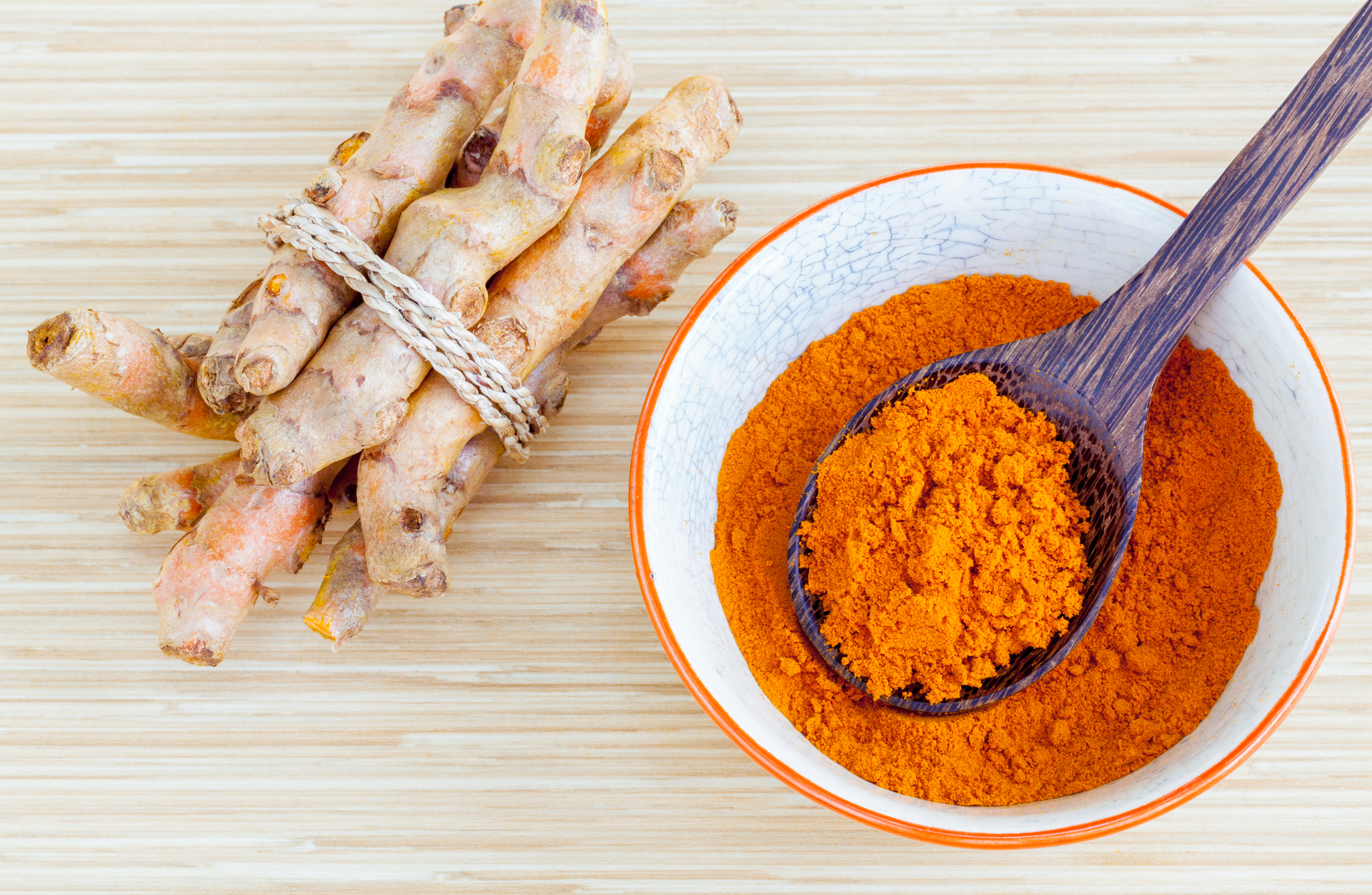
| Parameter | Cooking Grade | Premium Food/Health | Pharmaceutical |
|---|---|---|---|
| Curcumin | 2-3% | 5-6% | 7-8% |
| Price | ₹180-250/kg | ₹350-450/kg | ₹550-700/kg |
| Lead | <5 ppm | <2 ppm | <1 ppm |
| Moisture | 10-12% | 8-10% | 6-8% |
| Markets | Domestic, diaspora | GCC, Singapore, health stores | EU, USA pharma |
Why don’t home cooks care about curcumin?
Traditional use employs whole turmeric in combinations. A pinch—whether 2% or 6%—provides benefits. Supplements need precise curcumin for targeted doses.
How much does curcumin vary within the same region?
A Sangli farmer: “Two farms can differ 1-2% based on soil, rainfall timing, harvesting month. Good monsoon years hit 7-8%. Difficult years, 5-6%.”
Can I trust visual color?
Never. Bright yellow could be high curcumin or lead chromate. Dull could be low curcumin or poor drying. Only HPLC testing reveals truth.
Why is pharmaceutical grade so expensive?
A trader: “Out of 100 tons in market, maybe 5-8 tons meet pharmaceutical standards—7%+ curcumin, zero contaminants, full traceability. Scarcity drives pricing.”
After three months of learning through Sangli visits, industry conversations, and LinkedIn connections, I understand that exporting turmeric isn’t about shipping a kitchen spice—it’s understanding a complex ingredient with vastly different applications and value points.
Success factors:
● Source selection (region, variety, farming practices)
● Curcumin content (matched to target application)
● Contaminant absence (heavy metals, pesticides, aflatoxin)
● Testing credibility (NABL-accredited labs)
● Documentation accuracy (verifiable COAs)
● Market alignment (right grade for right buyer)
Three months gave me foundations, but there’s so much more. I’ve only been to Sangli. Haven’t seen Erode’s trading infrastructure or visited testing laboratories. Haven’t experienced harvest seasons across regions.
Every conversation reveals nuances. Every market has specific preferences. Every application has unique requirements.
This article captures my journey from thinking I knew turmeric (because I ate it daily) to understanding that simple yellow powder represents a complex global commodity with pharmaceutical, industrial, cosmetic, and culinary dimensions.
Direct Experience (Jan-Mar 2025):
● Processing unit visits in Sangli
● Conversations with farmers and processors
Industry Learning:
● 20+ phone/video discussions with traders, exporters
● LinkedIn connection with food scientist for technical knowledge
● Conversations with quality consultants and exporters
Reference Materials:
● FSSAI Turmeric Standards (FSS Regulations 2011, updated 2024)
● Indian Standards IS 4239:2017
● Agmark Grading Standards
● Spices Board of India publications
● NABL testing requirements (ISO/IEC 17025:2017)